








Inflammation doesn't always look like a swollen knee. Most of the time, it's quieter than that. Brain fog that won't clear. Joints that ache for no reason. Tired no matter how much you sleep. Going days without a bowel movement. Hair in the shower drain. A rash or psoriasis patch that won't calm down. Even a low mood that sticks around. In a review of 37 studies, about 1 in 4 people with depression showed signs of inflammation in their blood.¹
You've probably heard the food advice already: eat more fatty fish, cut out sugar, add turmeric. That advice is fine. But it's only part of the story. How you move, when you see daylight, and how you sleep all shape inflammation too. Here are four habits that most people have never been told about, and the research behind each one.
1. Walk for 10 minutes after you eat
Every time you eat, your blood sugar goes up. That's normal. But big, fast spikes stress your body, and over time they add to inflammation. A short walk right after a meal keeps the spike small.
What the research says. A 2022 review in Sports Medicine pooled seven trials with 461 adults. People who took short walking breaks after eating had lower blood sugar and insulin than people who stayed seated. Walking worked better than just standing up.²
How to do it.
- Go within 15 minutes of finishing your meal. The sooner the better.
- Keep it easy. This is a stroll, not a workout. A lap around the parking lot or the block counts.
- Pick your biggest meal. If you can only do one walk a day, do it after dinner or your largest meal.
2. Step outside within an hour of waking up
Your body runs on a 24-hour clock. Morning light is the main signal that sets it. When that clock is set right, you fall asleep more easily at night. And sleep is one of your body's main tools for keeping inflammation down.
What the research says. A 2025 study in BMC Public Health found that people who got sunlight in the morning slept better than people who got most of their light later in the day.³ A separate review of 72 studies covering more than 50,000 people found that poor sleep is tied to higher levels of inflammation markers like CRP and IL-6.⁴
How to do it.
- Aim for 10 minutes outside. Cloudy days still count. Outdoor light is far brighter than indoor light, even when it's gray.
- Skip the sunglasses for those 10 minutes. Your eyes are what send the signal. Never look at the sun directly.
- Pair it with something you already do. Drink your coffee on the porch. Walk to the mailbox. Park farther away from the building.
3. Take a warm bath 1 to 2 hours before bed
Warm water pulls heat to your skin. When you get out, your body cools down fast. That drop in temperature is one of the signals that tells your brain it's time to sleep.
What the research says. A 2019 review in Sleep Medicine Reviews found that a warm bath or shower, around 104 to 108°F, taken 1 to 2 hours before bed helped people fall asleep faster and sleep better. Even 10 minutes made a difference.⁵
How to do it.
- Time it right. Not right before bed. Give your body an hour or two to cool down.
- A shower works too. You don't need a tub.
- Add Epsom salt if you like it. It makes the bath feel like a treat, which makes you more likely to keep doing it.
4. Go to bed and wake up at the same time, even on weekends
When your sleep schedule jumps around, your body never settles into a rhythm. Your hormones, your digestion, and your immune system all take their cues from that rhythm.
What the research says. A 2020 study in Frontiers in Neurology tracked people's sleep night by night. Those whose sleep times varied the most had higher levels of inflammation markers in their blood, including CRP, IL-6, and fibrinogen.⁶
How to do it.
- Pick a wake-up time first. It's easier to control than your bedtime, and it anchors everything else.
- Keep weekends within an hour. Sleeping in until noon on Saturday undoes a lot of the week's work.
- If you work shifts, keep your schedule as steady as you can on your work days, and talk to your care team about the rest.
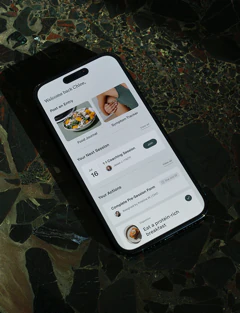
One-on-one care from a registered dietitian who specializes in inflammation, free through many employer and health plans.
Your 2-week starter plan
Don't try all four at once. Pick one, do it for two weeks, then add the next. Jot down your answers:
- The one habit I'm starting with (e.g., a walk after dinner)
- When I'll do it (e.g., right after I clear the table)
- What I'll pair it with (e.g., calling my sister)
- One sign I'll watch for (e.g., less afternoon slump)
After two weeks, look back. Did you notice anything? Keep what worked and add the next habit.
This article is for general information and is not medical advice. Talk with your doctor before changing your routine, especially if you take medication or have a diagnosed condition.


