.svg)
.avif)
%20(1).avif)
%20(1).avif)

.avif)






80% of individuals diagnosed with autoimmune diseases are women — and for many, their condition impacts not just their health, but their career trajectory.
We partnered with the Autoimmune Association to conduct a national survey of 250 U.S. working women with autoimmune diseases. The findings, released during Autoimmune Awareness Month, reveal how autoimmune disease is quietly reshaping the workplace — and the urgent need for care models that better support those with chronic conditions.
Stalled Careers, Lost Potential
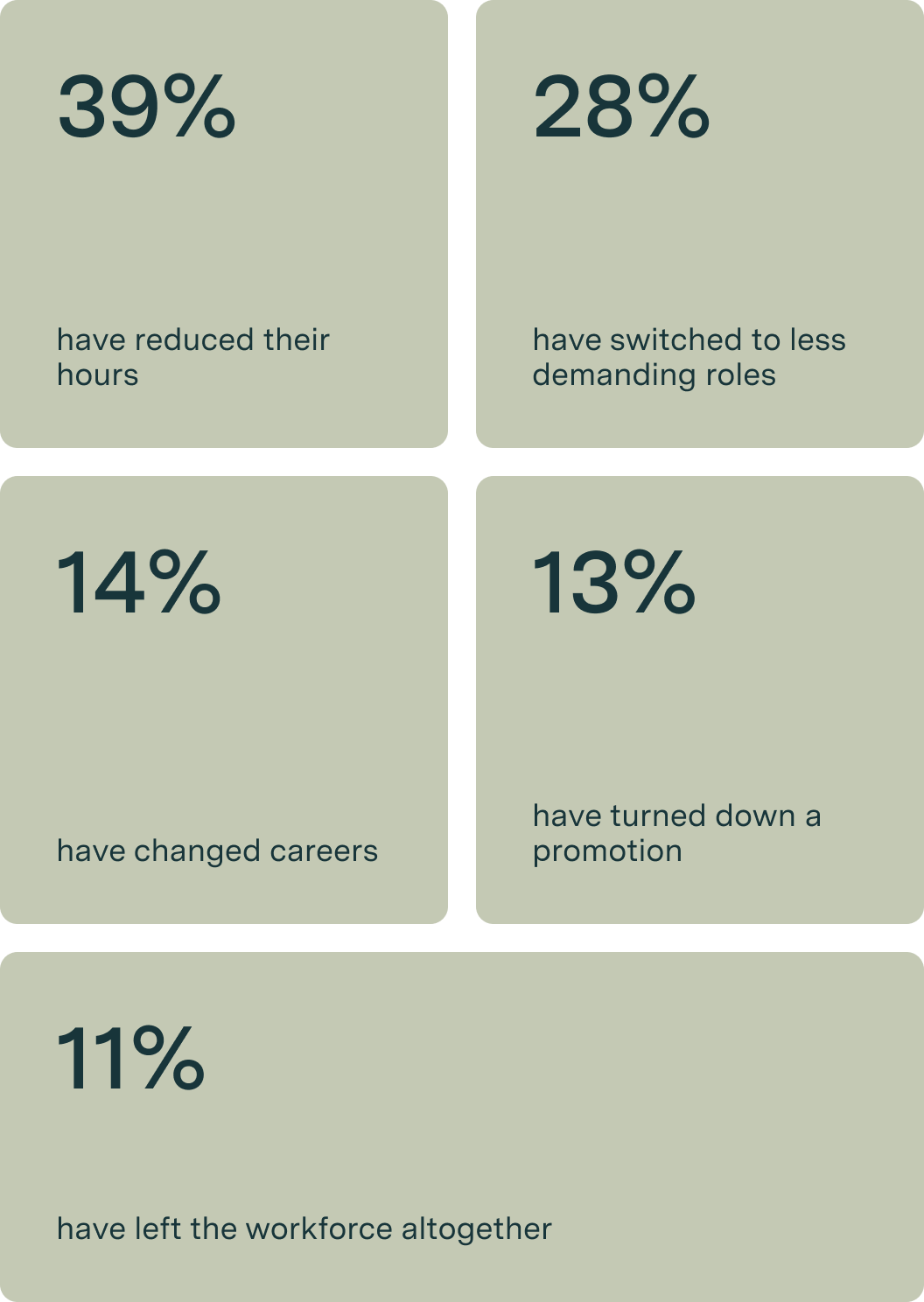
70% of working women with an autoimmune condition say that their career potential has suffered, and 68% report they’ve experienced negative effects at work since being diagnosed. Among these women:
{{wakefield-1-desktop}}
{{wakefield-1-mobile}}
These numbers highlight the difficult decisions many women face when balancing the demands of a job and a chronic condition — and how the trade-offs can impact their careers long-term.
Women are Carrying an Invisible Burden
Autoimmune symptoms can take a toll on women’s day-to-day lives, with 61% saying that their symptoms impact their ability to function at work every day or most days.
They’re living with symptoms like chronic pain, fatigue, and brain fog, yet 61% have chosen not to disclose their autoimmune condition to their employer. Fear of being judged (32%), concern about being passed over for opportunities (28%), or simply believing that telling their employer about their condition won’t help (41%) are keeping women silent — and keeping employers in the dark.
{{wakefield-2-desktop}}
{{wakefield-2-mobile}}
Managing a Chronic Health Condition Comes with a Cost
For many women with autoimmune diseases, career decisions aren’t just about growth — they’re about survival. 68% have stayed at a job because they needed health insurance, and 76% reported experiencing financial strain due to their condition.
But autoimmune conditions cost employers, too — contributing to employee absenteeism, reduced productivity, and driving 50% of specialty drug spend. With autoimmune diagnoses on the rise, it’s becoming increasingly important to address chronic care models across the workforce.
Women Shouldn’t Have to Choose Between Their Career and Their Health
Autoimmune diseases require personalized care, yet many women are left navigating fragmented systems that prioritize short-term symptom management over long-term results.
“When women receive consistent, specialized autoimmune care, they don’t have to sacrifice their careers for their health,” says Ellen Rudolph, CEO and Co-Founder of WellTheory. “We work alongside employers to provide that support, helping women manage chronic symptoms while staying on their chosen professional paths.”
Our evidence-based care model provides members with ongoing clinical guidance and personalized support to help reduce symptom disruptions at work. Outcomes show improvements in physical and mental health, workplace productivity, and lower costs — proof that when women with autoimmune conditions get the support they need, everyone benefits.